Toilet overflowing? Stop the water first
An overflowing toilet can ruin a floor in minutes. The line is open 24/7 and same-day appointments are offered when a plumber is free. Do this while you wait.
- Lift the tank lid. Push the flapper down firmly to stop water entering the bowl.
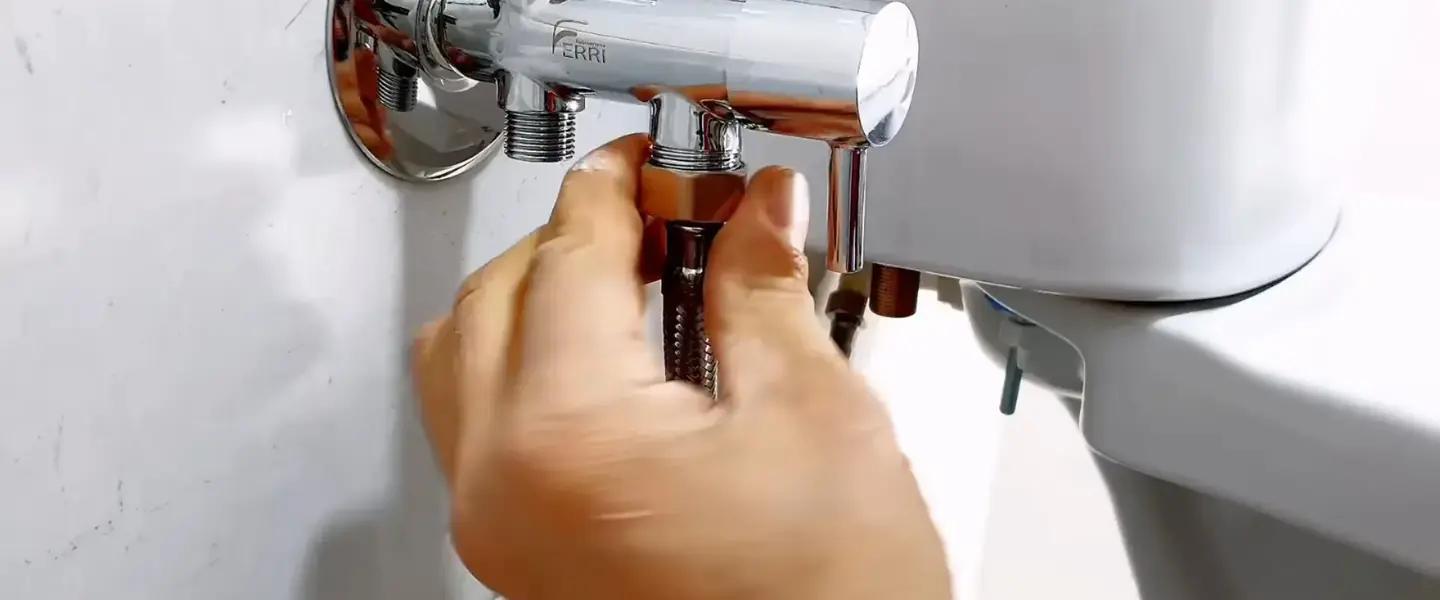
- Close the supply. Turn the oval handle on the wall or floor pipe behind the toilet clockwise until it stops.
- Do not flush again. A second flush adds more water to a full bowl.
- Contain the water. Lay towels and move rugs. Wear gloves because the water may be contaminated.
- Check other drains. If a tub or floor drain also gurgles, the clog may be in the main line. Stop all water use and call.
Toilet overflowing or leaking? Call the 24/7 line.
Call (609) 547-1417Common toilet problems and what causes them
| Problem | Common cause | Typical fix |
|---|---|---|
| Running constantly | Worn flapper or fill valve | Replace the part. |
| Weak flush | Clogged rim jets, low tank water or partial clog | Clean, adjust or clear. |
| Leak at the base | Failed wax ring or loose closet bolts | Pull the toilet and reseat it with a new ring. |
| Leak under the tank | Worn tank bolt gaskets or supply line | Replace gaskets or the line. |
| Constant clogs | Slow drain line, low-flow design or a partial blockage downstream | Clear and investigate the line. |
| Wobbling toilet | Loose bolts or a damaged flange | Reset or repair the flange. |
Many toilet repairs are quick. But water at the base is more serious than it looks. A failed wax ring can leak into the subfloor for months, so call early and do not let it sit.
A toilet that will not stay unclogged
A plunger clears a clog in the bowl. If the same toilet clogs again and again, the problem is deeper. A toilet auger reaches the trap. A clog past the trap means a drain issue.
If several fixtures slow down, the main line is the cause. Stop flushing and read our drain cleaning page, or call. A camera look at the line, described on our sewer camera inspection page, shows whether the pipe has roots or a sag.
Questions about your situation? Call the 24/7 line.
Call (609) 547-1417Toilet installation and replacement
A toilet that has cracked, wobbles or wastes water is worth replacing. Install covers removing the old unit, checking the flange and floor, setting a new wax ring or seal and testing the flush.
- Flange condition is checked first. A broken or low flange needs repair, or the new toilet will leak.
- Rough-in distance, the gap from the wall to the drain center, decides which toilets fit.
- Water use ratings and bowl height matter for comfort and bills.
- The old unit is hauled away as part of the job.
If you plan a bathroom update, see plumbing installation for sinks, tubs and layouts.
Choosing a replacement toilet
Three measurements decide whether a toilet fits. The rough-in is the distance from the finished wall to the center of the floor drain, and 12 inches is the most common. The bowl shape, round or elongated, changes how much space it takes. The height matters for comfort, since taller bowls are easier for many adults.
Look for a fully glazed trapway and a flush rating that suits your drain line. Very low-flow models need a clear, well-sloped line to work as designed. If your house has a history of slow drains, we check the line before you buy.
What affects the price
A flapper swap and a flange repair are not the same job, and neither is a new toilet install. Price depends on the part, the toilet type, access and any floor repair needed. We give a clear price before work starts and do not list figures here.
A running toilet is a quiet cost. It can waste a large volume of water, which adds to your bill. If your bill has risen, see leak detection for the meter test.
Toilets and water in Trenton
Trenton Water Works supplies moderately hard water, reported at 83.2 parts per million for 2021. Minerals build up on fill valves, flappers and rim jets, and a toilet that runs after a flush often has a part coated in scale. A yearly check keeps it working.
TWW also suggests flushing taps for two to three minutes after water has sat for hours, which is useful in a house that has been empty. Toilets that sit unused can dry out and allow sewer gas, so run them occasionally.
Source note: figures above are according to Trenton Water Works 2022 Consumer Confidence Report (2021 data).
Toilet repair questions
Do you handle toilet emergencies at night or on weekends in Trenton?
Yes. The 24/7 line is open at any hour, and same-day appointments are offered when a plumber is available. Shut off the supply valve behind the toilet and call.
Why does my toilet keep running?
A worn flapper or fill valve is the usual cause. It wastes water and can raise your bill, so fix it soon.
Is water around the base of the toilet serious?
It can be. A failed wax ring or loose bolts let water reach the subfloor. Stop using the toilet and call.
Why does my toilet clog every few days?
A partial blockage downstream or an older low-flow design is a common reason. A plumber can tell which by testing the line.
Can you install a toilet I bought?
Usually yes. Check the rough-in distance first, or send us the model and we will tell you whether it fits.